Navitas

Conserving Resources. Renewing Facilities.

  • Home
  • Who We Help
    • K-12 Schools
    • Higher Education
    • Government
    • Commercial Properties
    • Heathcare
    • Infrastructure
  • How We Help
    • Our Approach
    • Solution Development
    • Collaborative Project Delivery
    • Engineer-Procure-Construct
    • Energy Savings Performance Contract
    • Data Analytics
    • Energy Management
    • Verification
  • Why Navitas
    • About Navitas
    • What Makes Us Different?
    • Proven Savings
    • Qualifications
  • Case Studies
  • Learning Center
    • Articles
    • Videos
  • News
  • Contact
    • Contact Us
    • Career Opportunities

Uncategorized

The Forever Problem: Innovative Responses to PFAS in Wastewater and Landfills

September 30, 2025

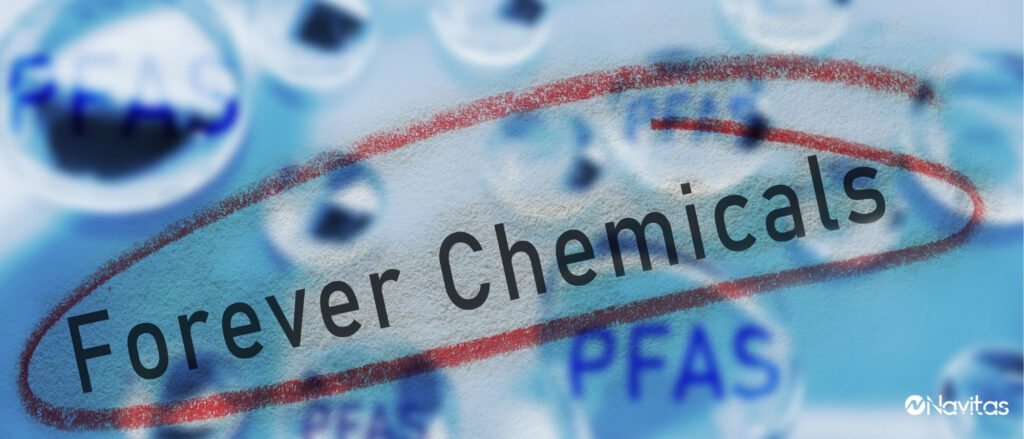
You may have heard the term “forever chemicals,” but what exactly are they—and why are they a major concern for communities, utilities, and environmental regulators?

Forever chemicals refer to a class of synthetic compounds known as PFAS (per- and polyfluoroalkyl substances), which were developed for their fire and heat-resistant properties and durability. These chemicals have been used for decades in everything from non-stick cookware and food packaging to personal care products and water-repellent fabrics.

The issue? Over time, researchers discovered that PFAS are highly persistent in the environment and the human body. They don’t break down easily, and accumulating evidence has linked them to serious health issues, including cancer. The term “forever” is no exaggeration—these chemicals can remain in soil and water for decades, creating long-term contamination concerns.

Wastewater and biosolids have become a focal point in the effort to identify and manage PFAS contamination. Facilities near airports and fire training sites are especially vulnerable, as firefighting foams used as part of training exercises seep into groundwater and surface water, creating localized hot spots. In some cases, testing has revealed PFAS in dairy farms, where contamination from nearby manufacturing led to the loss of livestock and land becoming unusable for years.

Landfills present another major challenge. Leachate—the liquid that drains or “leaches” from landfills—can collect and spread PFAS compounds due to the wide range of consumer and industrial products disposed of there. Without effective treatment, these chemicals can cycle back into wastewater systems and accumulate in biosolids, perpetuating the contamination.

So what’s being done?

Navitas is actively working with clients across multiple sectors to address this complex and evolving issue. For some clients, the focus is on testing biosolids to demonstrate they are safe and meet current regulatory standards. This approach helps mitigate public concern while keeping operations running smoothly.

For others, Navitas is helping explore and implement emerging treatment technologies. These systems are designed to break down or capture PFAS from wastewater and landfill leachate. Historically, these technologies were cost-prohibitive, which led many organizations to take a “wait-it-out” approach—hoping public attention would shift to other issues. But with new biosolids regulations emerging (like the bans in Maine and proposed moratoriums in states like New York), proactive solutions are more critical than ever.

In addition to on-the-ground support, Navitas is also involved with professional and regulatory associations, helping to educate stakeholders and advocate for science-based approaches. By staying at the forefront of both policy and technology, Navitas ensures its clients are prepared to manage risk and protect their communities.

Forever chemicals may be persistent—but with informed strategies and committed partners, they don’t have to define our future.

You can also learn more at https://www.wef.org/topics/hot-topics/PFAS/
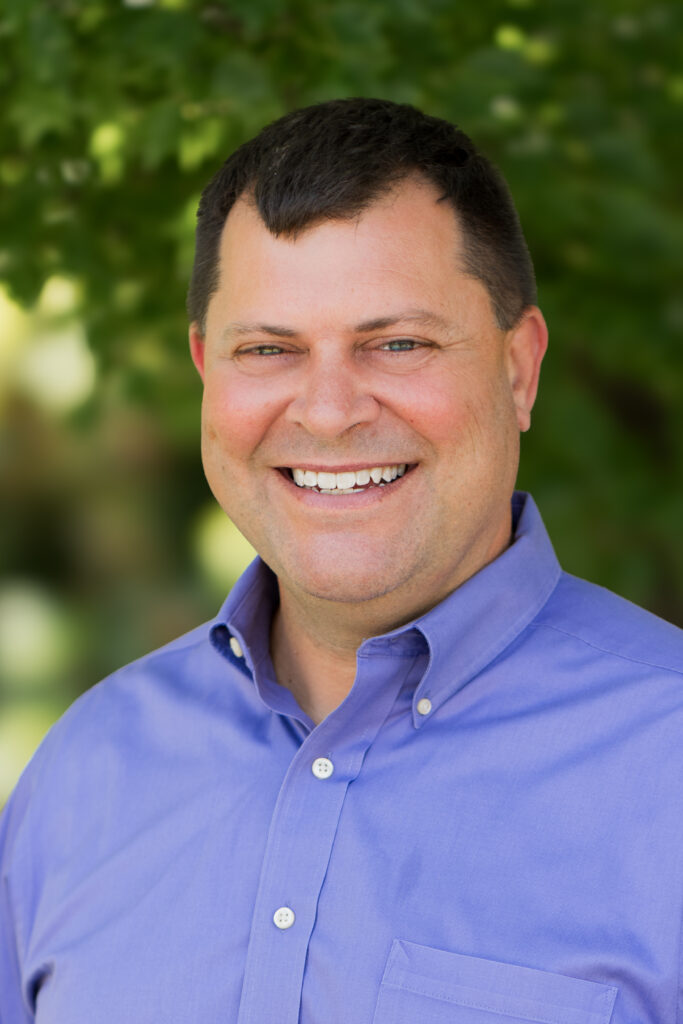
About the author – Bob Wimmer brings nearly 25 years of experience providing wastewater treatment optimization and design with a focus on energy optimization and biosolids management. He can be reached at bwimmer@navitas.us.com.
Filed Under: Uncategorized

Coffeyville Schools: A Sustainable Future with Navitas

July 10, 2025

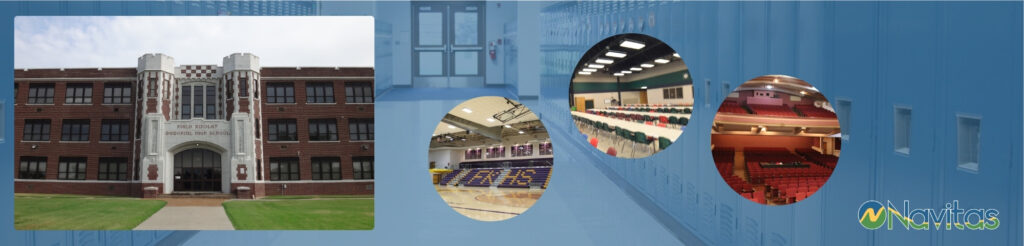
In 2024, Navitas partnered with Coffeyville USD 445 to tackle critical infrastructure challenges and lay the foundation for a more sustainable future. This district-wide initiative modernized facilities, boosted energy efficiency, and resolved long-overdue maintenance—creating healthier, more comfortable learning environments for approximately 1,800 students.

The project spanned every district building, with upgrades tailored to each facility’s specific needs:

  • HVAC System Replacements: Navitas replaced outdated HVAC systems at the Middle and High Schools with modern, energy-efficient models. These new systems eliminated frequent maintenance issues and stabilized indoor climate control.
  • LED Lighting: The team installed energy-efficient LED lighting district-wide, significantly reducing energy consumption while enhancing classroom and common-area lighting.
  • Building Automation Systems (BAS): Advanced BAS technology now enables real-time monitoring and control of facility systems. These tools help the district maintain equipment proactively and cut operational costs.
  • Building Envelope Improvements: Navitas upgraded insulation, weatherproofing, and windows to reduce energy loss, improve indoor air quality, and ensure consistent indoor temperatures.

One of the district’s main challenges was maximizing the impact of one-time-use ESSER funding. Navitas strategically applied these funds to energy-saving measures that generate over $100,000 in annual savings. This ongoing “annuity” provides lasting financial benefits, allowing the district to reallocate resources toward other priorities.

By eliminating deferred maintenance and modernizing operations, the project reduces long-term costs and boosts day-to-day efficiency. Students and staff now enjoy updated, efficient facilities that enhance both comfort and productivity. These improvements reflect Coffeyville USD 445’s strong commitment to sustainability and responsible fiscal management.

Navitas remains proud to support districts like Coffeyville as they overcome challenges and pursue their goals. This project demonstrates the power of innovative energy solutions and disciplined execution to deliver lasting impact. As we continue to empower schools with sustainable practices, we’re excited to help more communities achieve similar success.

Learn how your district could achieve similar success.

Contact Luke at llindesmith@navitas.us.com or our Business Development team to begin the conversation about optimizing your facilities.

Written by Luke Lindesmith, Business Development Manager, Navitas.

Filed Under: Uncategorized

Navitas’ Unique Business Model

April 9, 2025

Close-up Of A House Model With Red Roof On Wooden Desk

Navitas’s unique business model allows us to work with public entities to reduce operational costs through implementing construction projects. This approach enables these entities to address critical needs while redirecting savings toward their core mission.

These savings come from energy and operational efficiencies, and we back them with a guarantee. If the guaranteed energy savings aren’t met, Navitas covers the difference. Our proven track record demonstrates our ability to optimize building performance, ensuring maximum efficiency and cost savings.

Real-World Impact: Washington County Schools
A great example of our success is our partnership with Washington County Schools in Kansas. Navitas collaborated with the district to develop a project that addressed deferred maintenance needs and optimized facility performance. After project completion, our optimization team worked with the district to achieve, and exceed, the guaranteed energy savings.

We track publicly available data to ensure transparency. As shown in the graph below, the project (completed in Summer of 2018) resulted in:

At Navitas, our commitment to long-term partnerships extends beyond project completion. For Washington County Schools, we continue to monitor energy performance and provide ongoing support to ensure their facilities remain optimized. By prioritizing efficiency and sustainability, we help our clients unlock additional savings year after year. Looking ahead, we are eager to collaborate on future initiatives that empower public entities to reinvest in their core missions while creating a lasting impact on their communities.

Written by Luke Lindesmith, Business Development Manager, Navitas

Luke coordinates communication and develops the people, business and financial aspects of projects. He oversees contract and financing challenges and ensures they are addressed in parallel with technical and financial development in order to streamline implementation.

Contact Luke at llindesmith@navitas.us.com or our Business Development team to begin the conversation about optimizing your facilities.

Filed Under: Uncategorized

Read a Little More

How We Help
Why Navitas
Case Studies

© 2026 Navitas
Conserving Resources · Renewing Facilities